
The Season that Sustains
The monsoon brings Southeast Asia alive, as ritual and renewal spring up in the rain
Words: Phoowadon Duangmee
The monsoon in Southeast Asia is a time of waiting. Flights are delayed and beach plans reconsidered, because for many, the travelling season only begins when skies are clear and blue. But visitors who arrive in the region during monsoon don’t find holiday destinations resting and empty – they are alive with work.
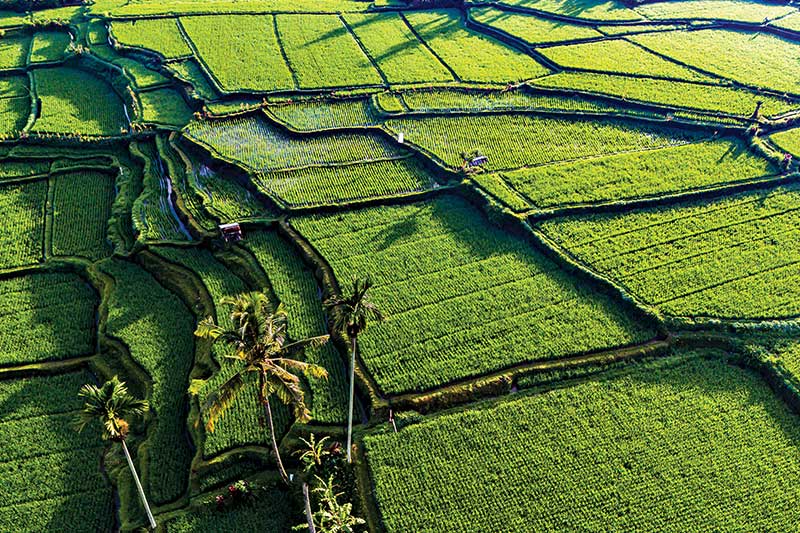
The rain hold life together. In Thailand, paddy fields grow into pools, ready for planting. The Mekong swells along its long path through Laos. The Tonlé Sap in Cambodia expands dramatically, feeding fisheries, the wetlands and rice fields that depend on its annual change of direction. Even coral reefs benefit from the cool rains. The landscape changes daily: gleaming greenery dominates the scene, rivers change colour, and the air feels heavy, yet cleaner.
In Thailand’s Northeast, the green season is welcomed with a bang during the Rocket Festival, or Boun Bang Fai. Monks turned rocket scientists lead villagers to fields ready for planting to fire off homemade rockets in all directions. Celebrations also feature a mud dance, music and plenty of laughter. The message to the rain gods is simple and age-old: “Please send rains so the rice will grow.”
For travellers, the monsoon means more than just a change in the weather – the pace of life also shifts gears.
Visitor numbers drop, easing the pressure on water supplies, power grids and waste systems after the strain of peak season. But for communities that rely on tourism, guests in the rainy season can be a lifetime, to stability. Businesses can plan ahead, and tourism feels less like a cutthroat competition to survive and more like something sustainable and manageable.
The way people move also changes.
Without the pressure to tick off every tourist attraction, journeys stretch out. Trains replace flights, boats make sense again, and spending longer in one brings connection and familiarity – not to mention a lower carbon footprint.
Food follows the same path. The rains serve up a bounty for every table: freshwater fish, just picked herbs, local vegetables and forest mushrooms that pop up during storms. Meals are shaped by local weather rather than global supply chains – less curated and more connected.
Travelling during the wet season means letting go of control. Downpours disrupt and plans change. In Luang Prabang, travellers chasing the sunset may find themselves under a dripping café awning, listening to the rain drum upon temple roofs instead. In Cambodia, watching the Tonlé Sap swell may inspire more awe than an Angkor Wat sunrise.
The green season doesn’t promise postcard- perfect scenes – it offers a new perspective. Beyond the polished tourism facade, Southeast Asia reveals its truer face: seasonal, adaptable and quietly resilient.