
Bangkok’s Red Renaissance
Creativity, craft and culture are reshaping Chinatown, where family legacies and fresh ideas meet in its lanes, galleries and shophouses
Words Pinanong Panchuen
Photos Anutra Ungsuprasert, Samatcha Apaisuwan, Namsu
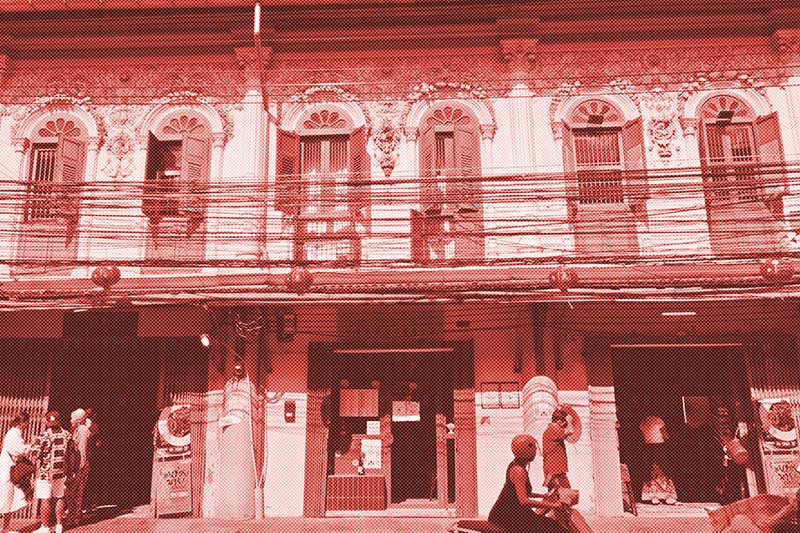
Bangkok’s Chinatown could never be called old or new, it’s always both – a neighbourhood where centuries-old shophouses share sidewalks with avant-garde galleries, where herbal apothecaries sit next to concept cafés, and where each alley offers a different adventure. This is why a single visit is never enough. Rooted in tradition but always reaching for the future, Chinatown reinvents itself with every passing season.
Today, this riverside neighbourhood has emerged as one of the Thai capital’s most compelling cultural districts. Here, art studios blossom in forgotten buildings, new cafés resurrect old recipes, galleries reclaim abandoned warehouses and families who have lived here for generations reinvigorate their heritage with style and pride.
Slip on your walking shoes, charge your phone and set off at your own rhythm. Whether you’re on the hunt for bold flavours, hidden design gems or a deeper immersion in Bangkok’s Chinese heritage, Chinatown offers a journey that unfolds one alleyway at a time.
Trok Tua Ngork & Maitri Chit Road
A Pocket of Creativity
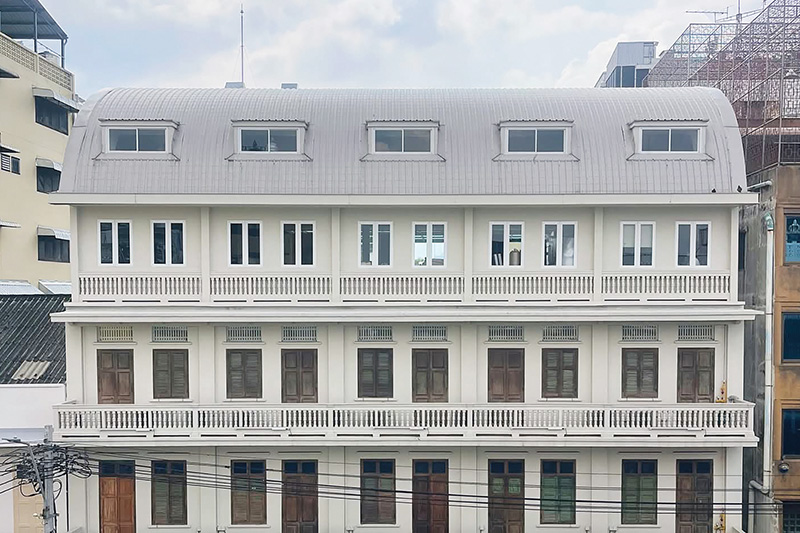
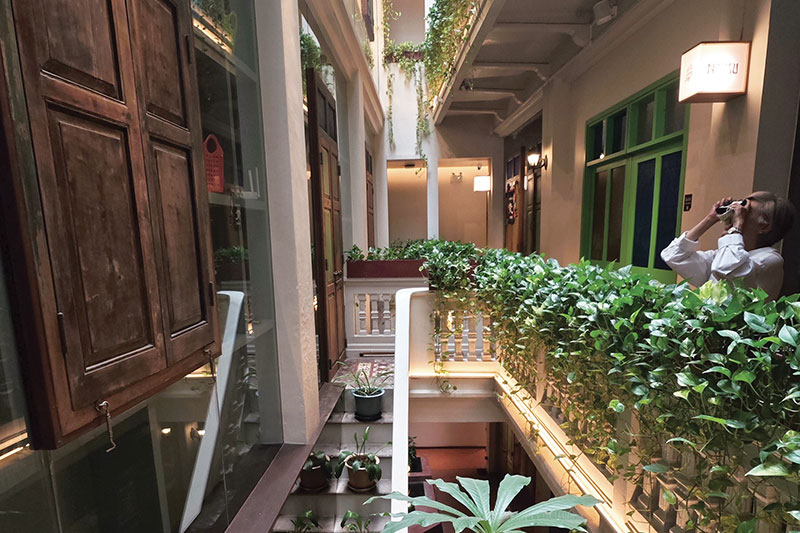
Begin your journey at Trok Tua Ngork, a narrow lane that hides one of Chinatown’s newest cultural micro-communities: Baan Trok Tua Ngork. From the outside, it looks like a typical row of shophouses, but step inside and you find yourself in a sunlit courtyard, a quiet sanctuary amid the busy lanes. The design of this century-old restored ancestral home – raw textures softened by greenery – provides serene relief from the city’s buzz.
Each level offers a delightful discovery. Delia Mexican Eatery anchors the ground floor with authentic Latino offerings, while upstairs, Namsu – meaning “vinegar” – pairs Shan-inspired Thai dishes with a handsome sake bar. The third floor houses the chic Messengerservice Bar alongside In-Residence, a gallery showcasing contemporary exhibitions. The top floor is crowned by The Living Room, a breezy café furnished with unique collectibles where books line the shelves, pastries fill the counter, and a balcony garden frames the streets below.
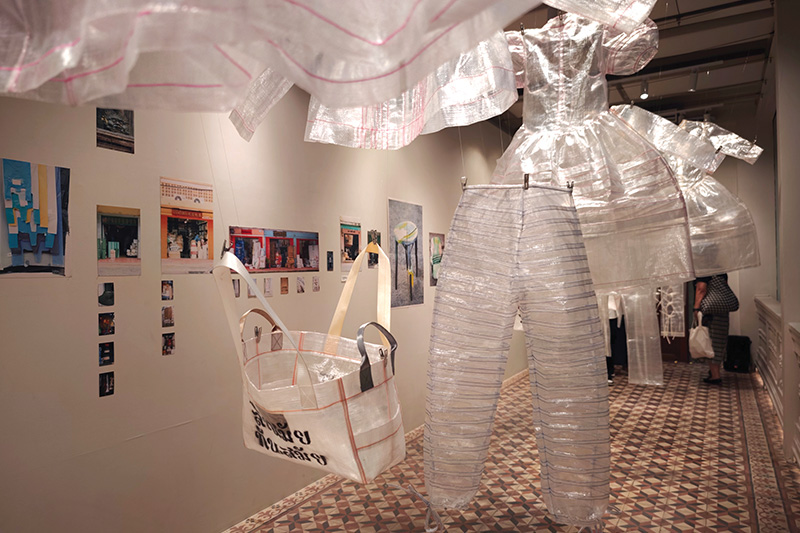
A short stroll from Baan Trok Tua Ngork reveals another of Chinatown’s beautifully restored treasures. The grand, 60-year-old building that once housed publisher Thai Wattana Panich before being gutted by fire two decades ago has risen from the ashes as Bangkok Kunsthalle, an art space reborn for a new generation. Its debut exhibition was curated by Stefano Rabolli Pansera, former director of London’s renowned Hauser & Wirth modern art gallery. Once fully renovated, Bangkok Kunsthalle promises to become a major hub for contemporary culture and arts in Thailand.
The perfect refreshment stop awaits nearby at Maitri Chit-Rama IV intersection, where Lemoncurd & Co will sweeten your day. The beloved café brand is famous for its luscious lemon curd (best with warm scones), and this branch also offers visitors a chance to pick up souvenirs like handcrafted soaps and aromatherapy sprays. The second floor provides one of the finest views of Hua Lamphong through its oversized picture window.
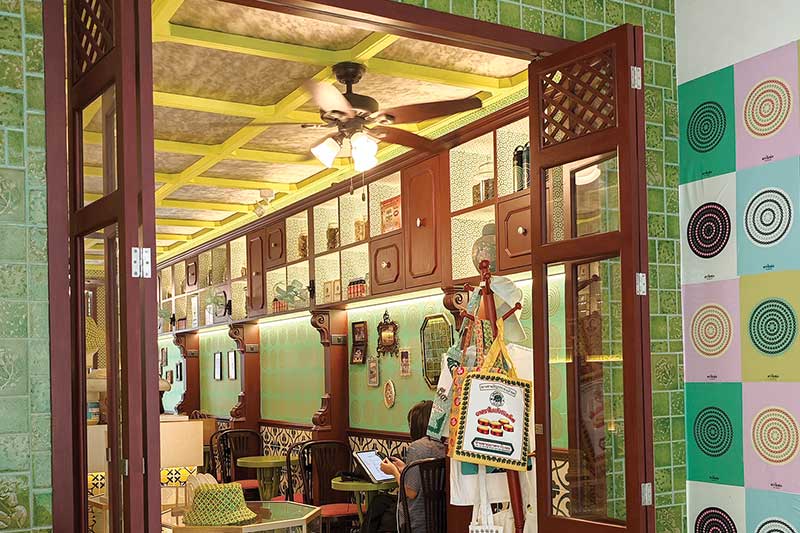
Seeking nostalgia? Wander further along Rama IV and get acquainted with Akirart Coffee, a cosy café steeped in Bangkok’s advertising studio culture, where vintage typewriters, drafting lamps and rotary-dial telephones create a charming time capsule. Speciality coffee and homemade pastries share space with vintage clothing, curios and a quiet corner where time seems to slow.
Song Wat Road
Bangkok’s Artistic Artery
Stretching just a kilometre along the bank of the Chao Phraya river, Song Wat Road has transformed from a dried-food and spice hub to a buzzing corridor of design cafés, independent galleries and inventive eateries. Start at the Rachawong Pier end, where river breezes mingle with the aroma of incense and fruit from nearby Sampeng Market.
Slip into the narrow lane by Soi Bophit Phimuk near Ong Ang Canal to discover Homprung by Baihor, a café in a 100-year-old colonial-style building that was home to a nobleman during the reign of King Chulalongkorn. It was bought in 2014 by the makers of Thailand’s iconic Baihor herbal remedies, who restored and reopened the place as a modern herbal café in 2024. Their workshops for herbal inhalers are so popular that reservations are often required.
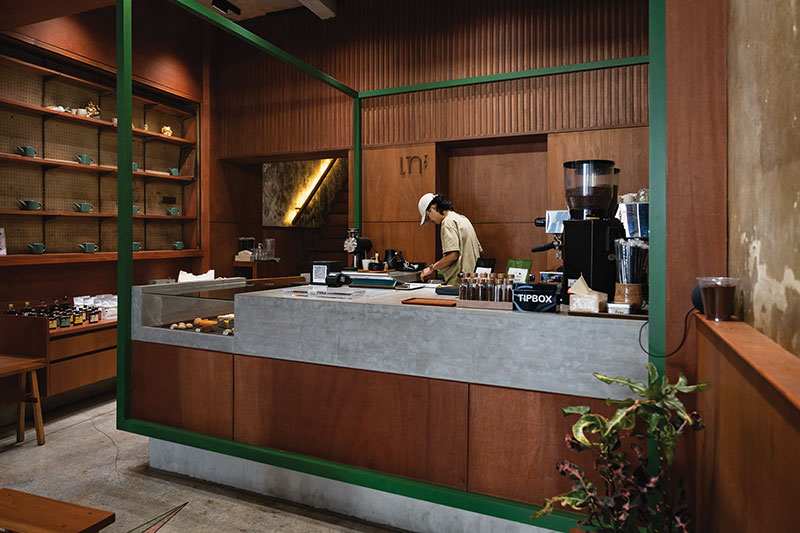
The menu brims with healthy yet delicious treats like soft-serve herbal ice cream and chrysanthemum ice popsicles, while shelves offer souvenirs with a contemporary twist – a delightful contrast to the bitter Baihor medicine that was once a household staple across Thailand. Back on Song Wat, richly different discoveries lie behind almost every façade. TAY tea and coffee bar stands in stark tribute to minimalism, with exposed textures that celebrate the building’s age and an upper floor doubling as a pocket-sized-gallery and workshop. A few doors down, FV Café pushes creativity one step further with beverages crafted from traditional herbs, fruits and foraged plants, including mimosa, Indian gooseberry, pennywort, langsat, and mangosteen. Upstairs, a reconstructed traditional Isaan house invites visitors into a cultural time warp.
Follow the aroma of fresh bread and you arrive at The Old Breadshop, a new bakery set inside a former warehouse. The loaves here are generously stuffed with nuts, raisins and cranberries, and priced affordably since all the ingredients are sourced by the owners themselves. Don’t miss the almond milk topped with a bear-shaped almond-milk lolly ice.
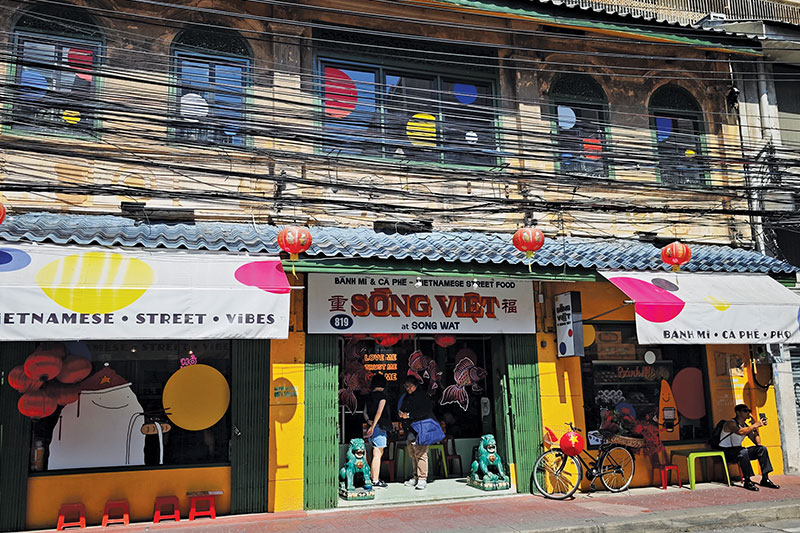
For fresh herbs and soul-food bites, Song Viet is the place to be. Drawing on hierloom Vietnamese recipes, the restaurant serves steaming bowls of Pho and warm baguettes straight from the oven.
Nearby, Galerie Monument Song Wat offers nourishment for the eyes and heart. Hidden beneath the CÉRÉMONIALE Matcha Atelier, the space is accessed via a narrow staircase that opens into a petite gallery. The atmosphere is playful, with Japanese artist Takehiro Ikawa’s pink cat, Mr Kobayashi, peeking at you from unexpected corners.
Cross the street and a century-old wooden gate opens onto one of Chinatown’s msot photogenic corners. Facing the river, this hidden enclave boasts cafés, pop-ups and boutiques. Keep an eye out for Oyster & Things, a trove of vintage-style décor; Wabi’s, serving artisanal loaves; the charming Japanese tea bar Matchamaru; onest, a minimalist fragrance and home-care shop; and Long Dang Dang, an expansive warehouse-turned-event space. Every doorway offers a unique selfie opportunity.
Return to Song Wat Road, check out Clay Circle Songwat, a ceramics shop that hosts workshops; Get Back & Jude Records, beloved of vinyl and vintage enthusiasts; Copenn. at Songwat, a boutique fragrance atelier; and the beautifully curated Road of Cinnamon, offering Thai crafts, books, ceramics, décor, and poetic souvenirs.
For a contemporary art hit, head to PLAY art house. This old shoe warehouse has been transformed by a local family into a gallery and cultural venue. If you’re lucky enough to meet the owner, expect spirited stories about the street’s history – he si both an accomplished painter and a captivating theatre actor.
Next, slip into the small alley on the left and unwind at Sit In Soi Café, before browsing shelves of retro clothing and second-hand collectibles next door.
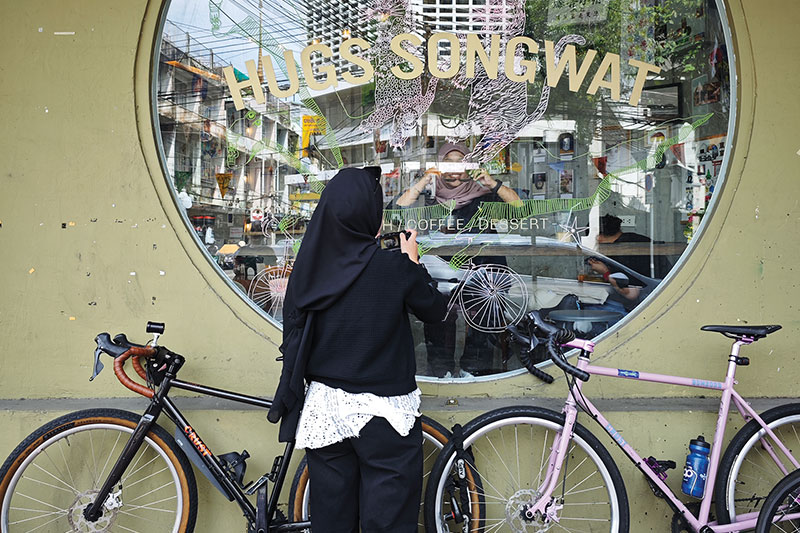
Finish your Song Wat journey at Hugs Song Wat, a tiny Japanese breakfast café run by a couple who fell in love with the neighbourhood. Their simple, comforting all-day morning plates, paired with handwritten notes and tiny objects, encourage visitors to slow down and savour the charm.
Talat Noi
Heritage, Craft and Quiet Energy
From Hugs Song Wat, turn into Soi Charoen Phanit and keep walking until you reach Talat Noi, where Bangkok’s Chinese-Thai heritage comes alive. Crimson paper lanterns flutter in the incense- scented breeze, as vintage car- part shops rub shoulders with cool cafés and artist studios.
Begin at Heng Seng, a family of artisans famed for their ornate ceremonial cushions. Once crafted solely for shrine offerings, these colourful pads have found a new life as home décor thanks to collaborations with young designers. Their striking patterns can be spotted in boutique hotels and stylish living rooms across Thailand.
Heng Seng’s owners are also pillars in community events like Talakkia Friendly Market, held the first weekend of every month at Panurangsi pier. The market turns Talat Noi into an open-air fair celebrating local crafts, snacks and textiles in a friendly community spirit.
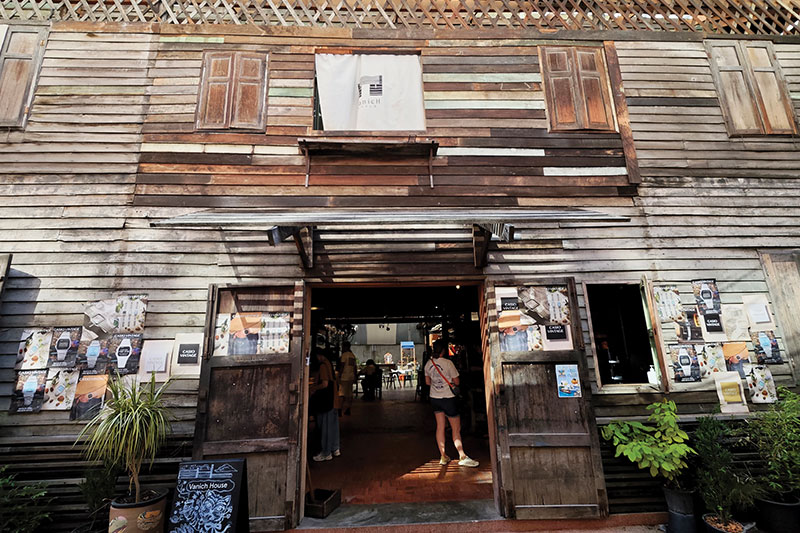
Continue towards the spiritual heart of Talat Noi, Chow Sue Kong Shrine. Behind it lie the district’s most charismatic newcomers: Vanich House, a grand wooden residence transformed into a cosy café and design-forward souvenir shop; and Citizen Tea Canteen of Nowhere with its bright orange and black tiled façade. Inside, Thai and Chinese symbolism is blended into a bold modern space by an award-winning Thai designer. Upstairs, a cosy tearoom awaits with views over the surrounding shophouses.
For street art, head to Trok Rong Kueak (Horseshoe Alley), a hidden alley where murals and photography exhibitions celebrate the people of Talat Noi – mechanics, “aunties”, shopkeepers, and the neighbourhood’s multicultural history.
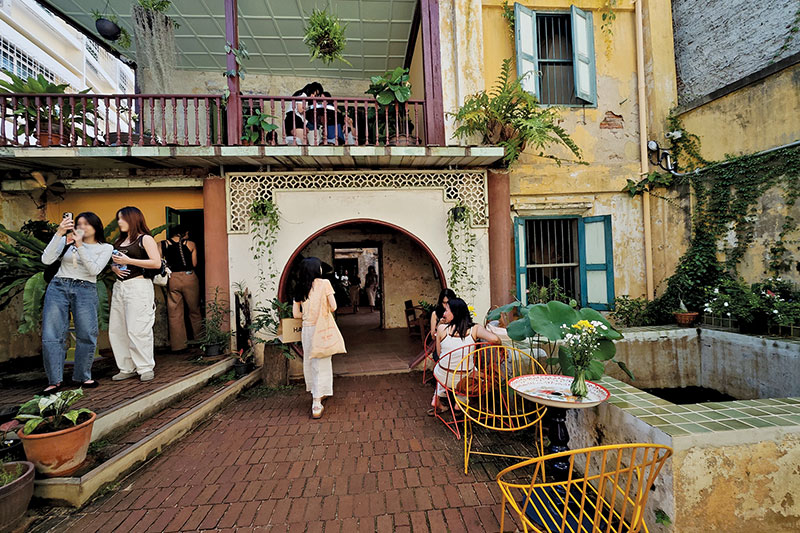
Just opposite sits one of Chinatown’s most intriguing shapeshifters: 965bkk Community Space. This restored two-century-old building serves as a café, boutique, and cultural venue. Step inside and you’ll discover a traditional Chinese townhouse layout, complete with a sunlit courtyard. Once used for hanging laundry and collecting rainwater, the courtyard has now been turned into a minimalist garden filled with soft shadows and quiet breezes.
Walking through 965bkk feels like entering a living museum of Thai-Chinese identity – a place that honours heritage while inviting contemporary creativity.
Chinatown, Reimagined
Bangkok’s Chinatown is experiencing a renaissance, driven by creative minds, family legacies, and a renewed pride in cultural roots. Here the past is not overshadowed by the present but elevated by it. Hidden courtyards become home to conceptual art shows, warehouses transform into artisan studios, and streets as old as the city itself spark a cultural renaissance.
Arrive with curiosity. Leave with stories. And return often – Chinatown always has something new to share.
Getting Around
Bangkok now offers several bike-sharing services across Rattanakosin Island, Sathorn Road, Silom Road, and major transit stations including MRT Sam Yot, BTS Chong Nonsi, Sala Daeng, and Asoke. Download Leo, Anywheel, GCOO, or HelloRide apps for easy access to bicycles – an enjoyable way to explore Chinatown and other landmarks.
Chinese New Year Hotspots
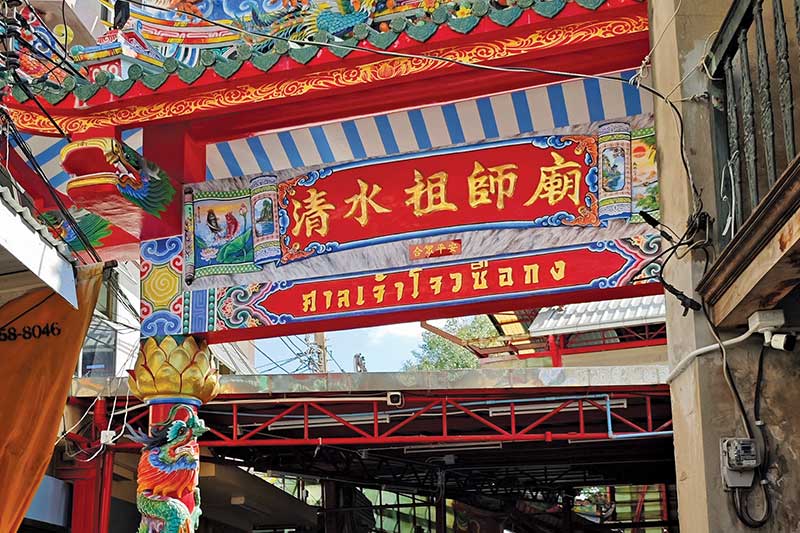
Chinatown will power up the atmosphere for Year of the Horse celebrations from February 17 to March 6. If you happen to be visiting during the Lunar New Year holiday, these sacred shrines are ideal places to soak up the ambiance and pray:
- Kuan Yin Shrine (Thian Fah Foundation) For health, healing and protection Open daily: 7am-7pm
- Wat Mangkon Kamalawat (Shrine to Caishen, the God of Fortune) For prosperity, luck and success in business Open daily: 8am-4.30pm
- Canton Shrine (Kwong Siew Association) For good fortune and academic success in the year ahead Open daily: 7am-5pm
- Chao Mae Pradu Shrine For love, strong relationships, marriage and fertility Open Monday-Saturday: 7am-4pm
- Guan Yu Shrine For career success, successful property sales and obedient children. Open daily: 7am-4pm
- Lao Pun Tao Gong Shrine (Taoist) Housing the guardian spirit of Song Wat, prayed to for harmony, health and business success. Open daily: 7am-5pm
- Chow Sue Kong Shrine (Doctor God) For good health and protection
Open Monday-Friday: 6am-4pm, Weekends: 6am-5pm - Rong Kueak Shrine (Horseshoe Shrine) Named after blacksmiths who once populated the area, visitors pray here for protection, good fortune and succes in business Open daily: 6am-6pm