
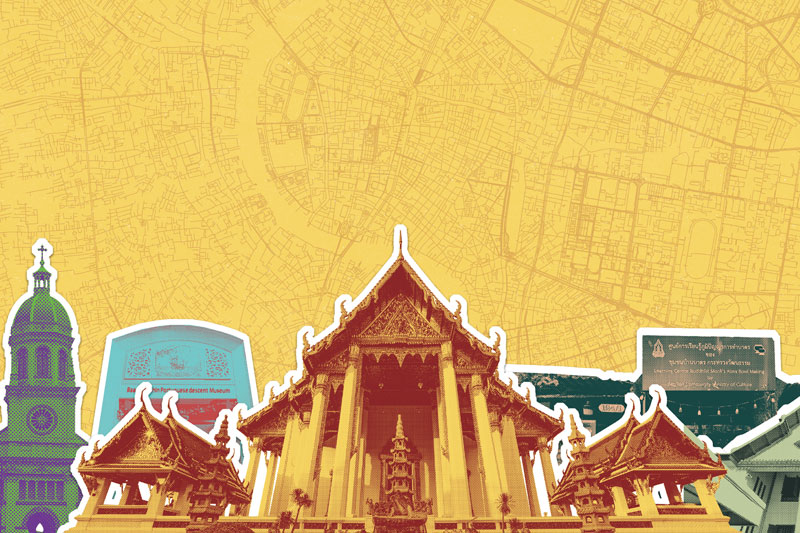
Pockets that Time Forgot
Behind the city’s bustling malls and skyscrapers lie quiet neighbourhoods where sacred crafts and traditional recipes have survived the passage of centuries
Words: Pinanong Panchuen
Photos: Pinanong Panchuen, Anutra Ungsuprasert, Shutterstock
Bangkok is less a location on a map than an every-flowing current. The city is in a constant state of flux: glass skyscrapers rising over historic canals, avant-garde gallery openings spilling onto pavements, and a skyline that changes the moment you look away.
Yet, hidden underneath this futuristic façade is an older city steeped in the traditional crafts of urban artisans. Behind the busy malls and motorways, quiet neighbourhoods harbour centuries-old rhythms: sacred symbols are hammered into metal blow by blow, while kitchens serve up the same recipes they created more than a century ago. These places are Bangkok’s best-kept secret, rarely found on any tourist map.
Kudi Chin: Where Siam Meets Portugal
On the western bank of the Chao Phraya, where the river curves away from gilded temples, sits Kudi Chin. While the name translates to “Chinese Shrine” – a nod to the area’s earliest settlers – the neighbourhood is famous for its deep Portuguese roots. After the fall of the old capital of Ayutthaya, King Taksin granted this land to the Portuguese soldiers who had fought alongside the Siamese, as he established a new royal court in Thonburi. Locals called the foreigners settled along the canal the “Portuguese of Kudi Chin”, and the name stuck.
Over the centuries, the neighbourhood was swelled by Thai, Khmer, Chinese and Vietnamese families, divided by language but bound by the Catholic faith. To this day, the pale dome of Santa Cruz Church still anchors the riverside skyline. Visitors exploring these narrow lanes today will discover Portuguese-style townhouses standing side by side with traditional Thai wooden houses.
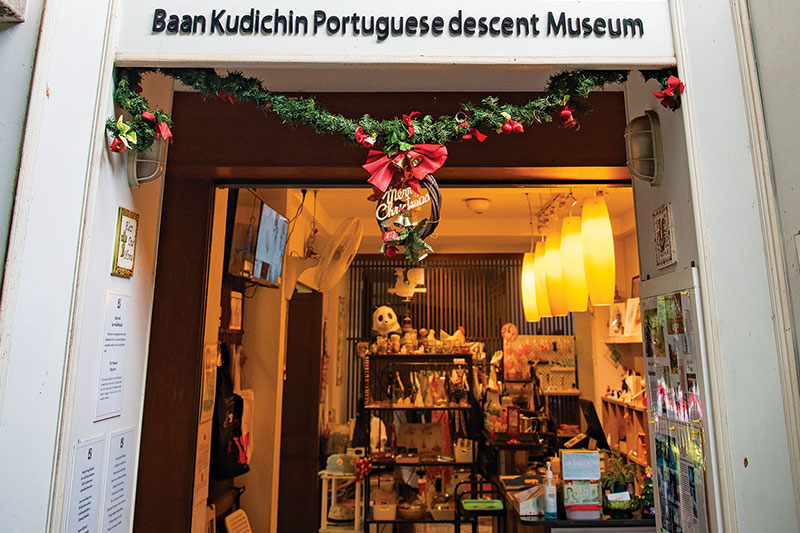
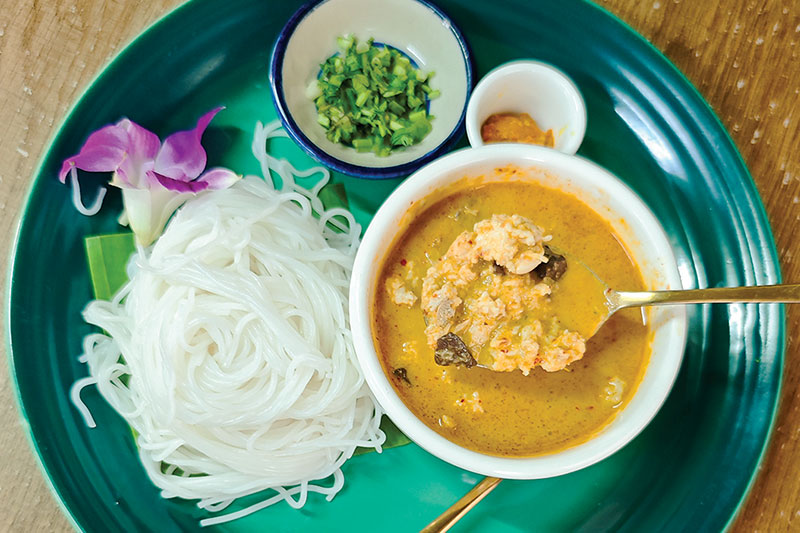
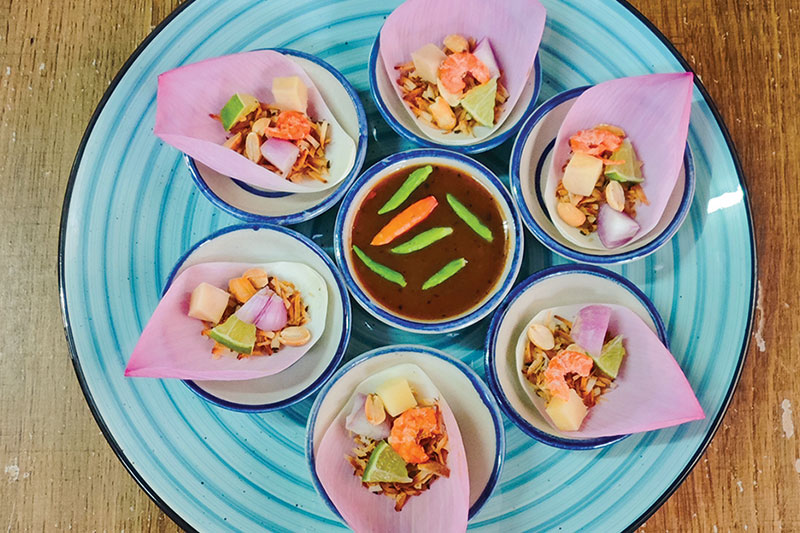
The Baan Kudichin Museum, set inside an old family home, traces the collision of cultures that created one of Thailand’s most vibrant and diverse communities. Those rich flavours extend to local delicacies served in the neighbourhood’s charming old restaurants. Portuguese recipes were adapted for the crops that grow along this stretch of river, resulting in dishes found nowhere else in the country. These local specialities include slow-roasted pork with potatoes, and “Portuguese” Khanom Jeen (rice noodles) paired with rich, twice-cooked chicken curry. Meanwhile, the sweet, eggy aroma of Portuguese sponge cake, Khanom Farang Kudi Chin, wafts from the ovens of shophouse bakeries.
Those curious to discover why a 250-year-old recipe remains so irresistible can book a hands-on cooking class at Baan Sakulthong restaurant.
Ban Baat: Bangkok’s Handmade Alms Bowl Haven
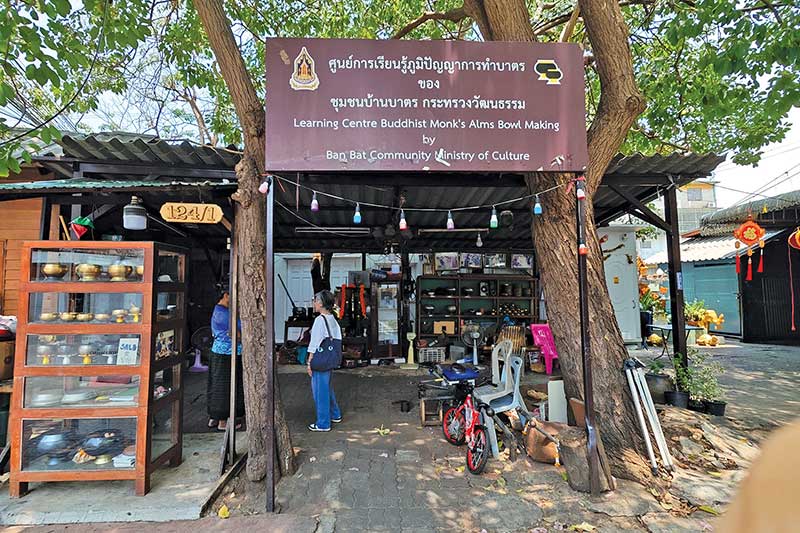
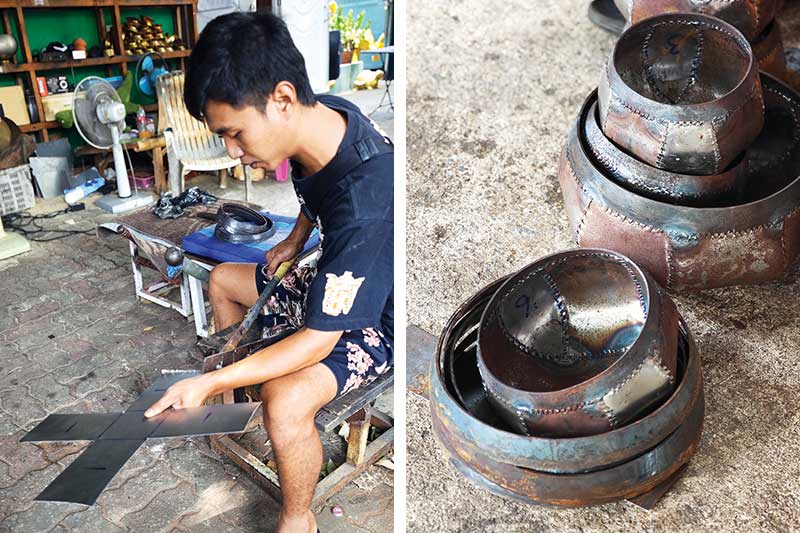
Just a short walk from the legendary crab omelettes sizzling in Jay Fai’s Michelin-starred shophouse, a community of traditional artisans transports visitors back to Bangkok’s sacred roots. Here, monks’ alms bowls are still forged entirely by hand, preserving precious heritage in an era where factories can stamp out replicas in seconds at a fraction of the cost. In contrast, it takes roughly three months of daily devotion to handcraft a bowl, hammering it into shape one panel at a time. This community stands as a rare sanctuary of humility, ritual and mindfulness in an era dominated by mechanical mass production.
Much of the credit goes to Hiran Sueasriserm, a master craftsman under the Institute for Promotion of Arts and Crafts who encouraged the neighbourhood’s remaining artisans to preserve the traditional eight-panel method for future generations. Hiran opened a learning centre near Wat Saket (Temple of the Golden Mount) on Boriphat Road, where tourists can watch as a sheet of flat metal is transformed into a sacred object. The centre offers workshops where participants can learn the five main skills required: cutting, welding, hammering, finishing and engraving. While the treasured antique bowls on display are not for sale, visitors can purchase smaller versions as souvenirs. These handcrafted bowls are the only vessels sanctioned by Buddhist monastic principles, since the seasoned metal does not react with food and is durable enough to last a century.
Canalside Creativity and The Last Soy Sauce Factory
Khlong Bang Luang (Khlong Bangkok Yai) was once the capital’s main artery, transporting goods and gossip across the city for centuries. Aristocrats and court officials erected homes along its banks in such numbers that it earned the nickname “civil servants canal”, before eventually becoming known as Bang Luang (Royal District).
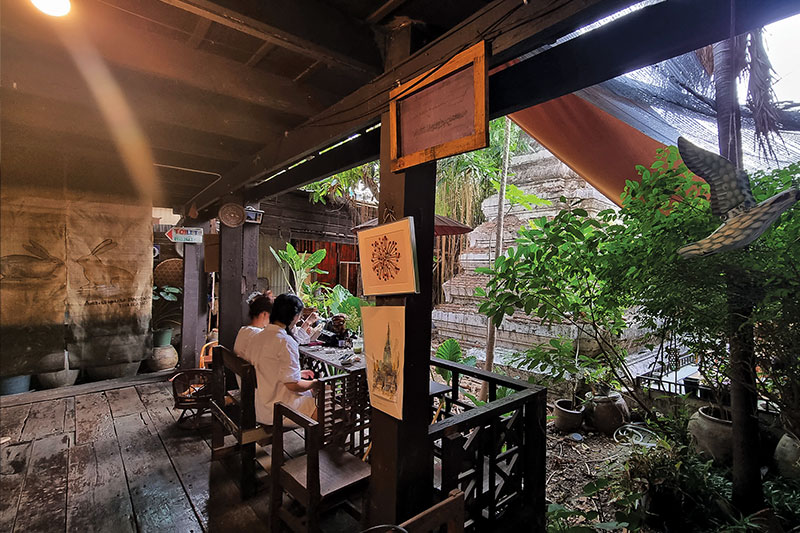
When roads were built, the traffic shifted form water to asphalt and the canal returned to a gentler pace of life. This peaceful serenity drew a group of artists to the old wooden houses that still stand on its banks. They transformed the historic residence of the Raksamruat family, goldsmiths since the Ayutthaya period, into Baan Silapin (the Artist’s House). Today, the space is part studio, part gallery and part creative haven where visitors can paint, decorate masks, string beads, or fold handmade books, browse the in-house gallery, or simply linger over coffee by the water.
This artistic revitalization rippled along the canal. Neighbouring houses, shuttered for years, began opening again – some selling local handicrafts and others reviving family recipes for visitors who don’t mind losing an entire afternoon to the slow-paced atmosphere.
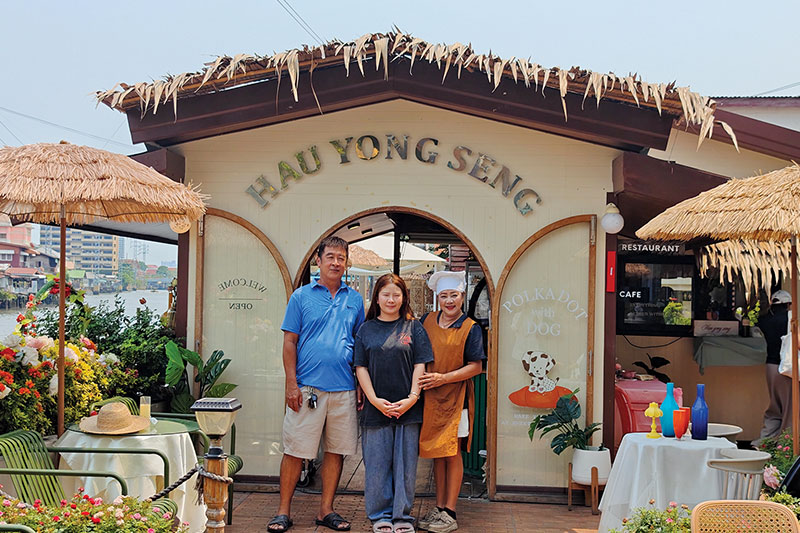
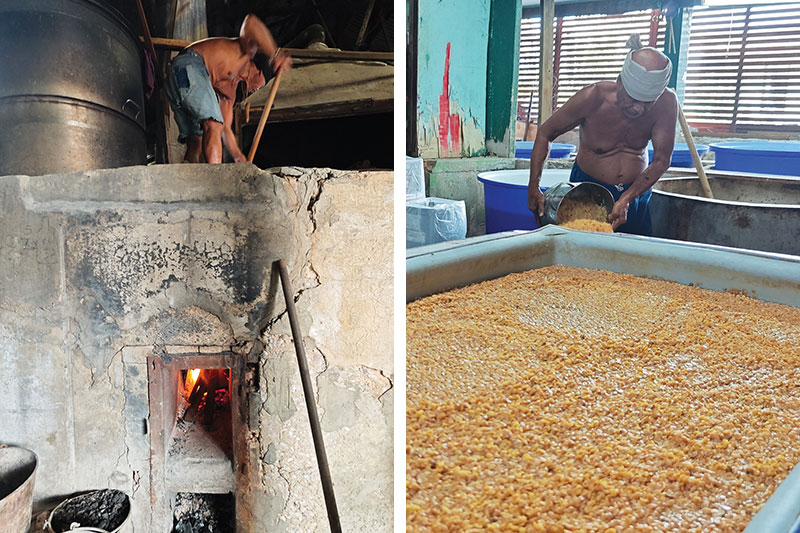
Further along the stream sits Hau Yong Seng, the last soy sauce factory in the area. Operating for more than 120 years, it still uses the traditional wood-fired production method that gives its dark and light soy sauces a depth that modern commercial operations struggle to replicate. Visitors arrive by boat to watch the fermented bean paste and soy sauce bubbling, stopping for a quick bite at the recently opened Hau Yong Seng Café. While its family recipes are closely guarded secrets, the owners are incredibly welcoming and happy to chat at length.
Sacred Craftsmanship Art Created Through Faith
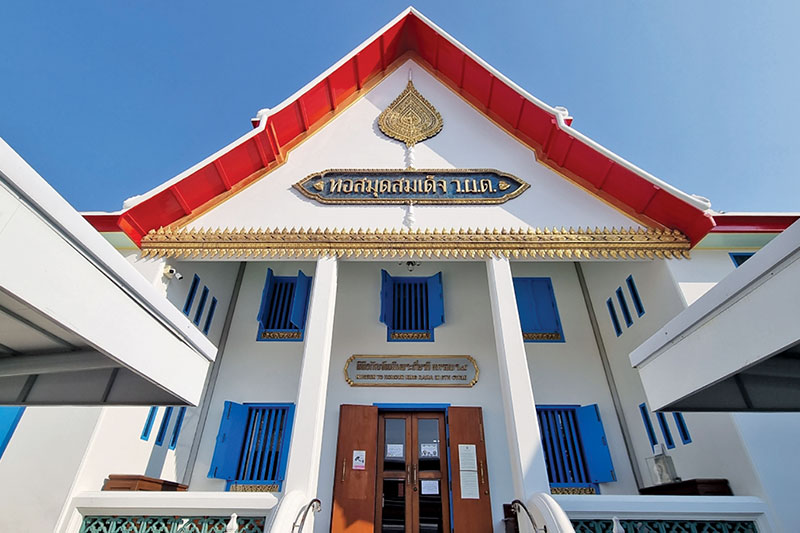
If devotion raised Bangkok’s grandest monuments, it also gathered monuments, it also gathered the city’s finesse art safely within its temple walls. For Thai Buddhists, no material or skill is too precious to dedicate to faith. This belief transformed Wat Pho into the city’s first – and finest – museum.
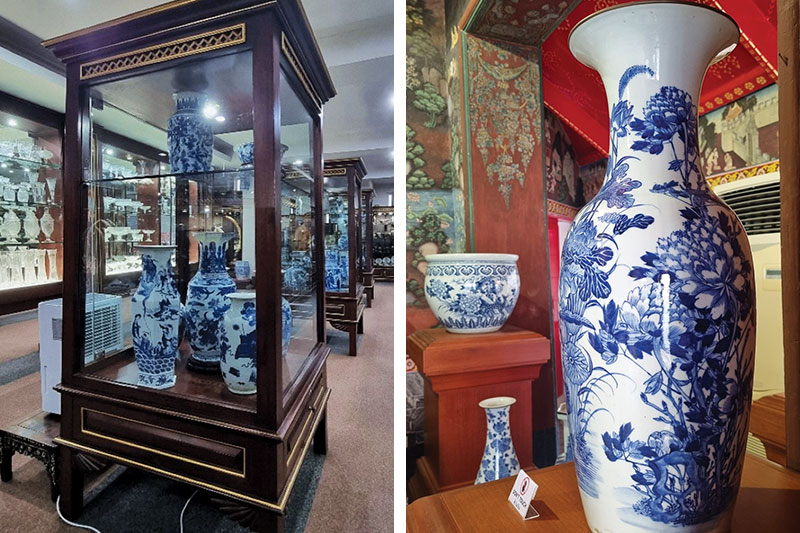
The temple has also been called Thailand’s first university. Long before public schools existed, stone inscriptions adorning the temple complex offered lessons in medicine, literature, history and astronomy. Today, five museums within the complex display more than 1,400 works of art donated over the centuries by kings and devotees, ranging from mother-of-pearl inlay to antique altar sets, Benjarong ceramics, glassware and murals depicting scenes from the Ramakien, Thailand’s national epic.
Across the old city, Wat Suthat Thepwararam sits on the symbolic “navel” (geographic centre) of Bangkok. The temple represents the mythological Mount Sumeru, said to be the axis of the universe and home to the Hindu god Indra. It also hosts the residence of Thailand’s 12th Supreme Patriarch, recently reopened as a public museum. More than 10,000 artifacts – including rare porcelain and mother-of-pearl pieces, antique tea sets, ceremonial fans, and ancient manuscripts and Buddha statues – offer visitors a quiet but staggering showcase of faith made material.
A City That Keeps Creating
In Bangkok, heritage is preserved not just behind glass but by keeping it in active daily use. Hand-hammered metal bowls are still carried by monks at dawn, soy sauce is still brewed using wood-fired kilns, and canalside studios continue to craft souvenirs the traditional way. While the capital charges forwards into the future, these pockets offer a serene stillness that’s worth the detour.
Where to Find Them
Baan Sakulthong Restaurant
219 Soi Kudichin 3, Thesaban Sai 1 Road, Wat Kanlaya, Thon Buri
Facebook: pravee1972
Baan Kudichin Museum
271 Soi Kudichin 3, Thetsaban Sai 1 Road, Wat Kanlaya, Thon Buri
Facebook: Baan Kudichin Museum
Ban Baat Community
Soi Ban Baat, Boriphat Road, near Wat Saket
Alms Bowl Knowledge Learning Centre
Si Yaek Men Pun, Boriphat Road Tel: 086 469 9299
Baan Silapin (Artist’s House)
309 Soi Phetkasem 28, Kuha Sawan, Phasi Charoen
Facebook: BaanSilapin
Hau Yong Seng
Soi Itsaraphap 21 (Phetkasem 4, Junction 20)
Facebook: Hau Yong Seng Cafe
Wat Pho Museum
Wat Pho Temple Complex, South of Grand Palace, Sanam Chai Road
Facebook: Museum Wat Pho
Supreme Patriarch’s Residence Museum, Wat Suthat
Wat Suthat Thepwararam, Bamrung Mueang Road
Facebook: watsuthatmuseum
Bangkok’s Ultimate Sky Beach Club
Unwind high above Sukhumvit Road as daylight tranquillity transforms into Bangkok’s most dynamic rooftop scene
Photos: TRIBE Sky Beach Club
Bangkok never stops bustling, but high above Sukhumvit Road at TRIBE Sky Beach Club, the city unfolds from a stunning new perspective – from serene sunshine to late-night rhythm.
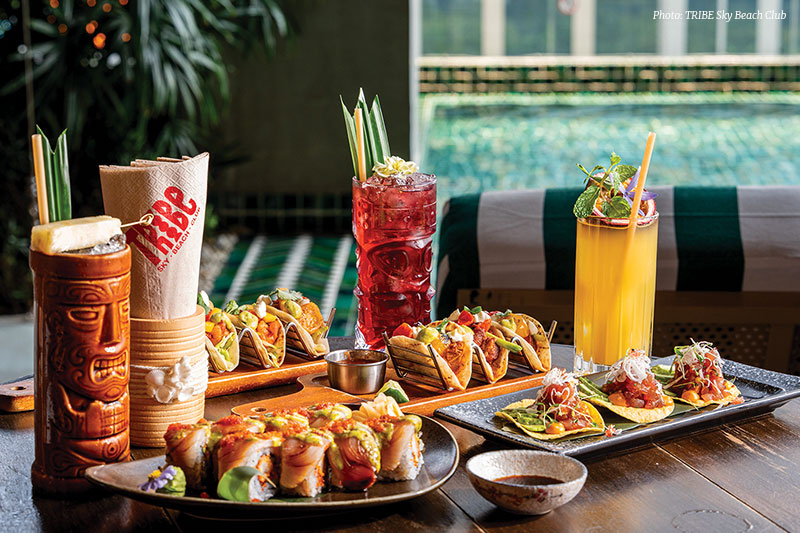
By day, the atmosphere atop EMSPHERE offers a surprising haven of serenity. Sunlight shimmers aross the open-air Skyline Pool as Bangkok stretches at your feet, creating an oasis world away from the busy streets below. This is the perfect setting to linger over a leisurely lunch, sip handcrafted cocktails or simply take in the sprawling metropolis.
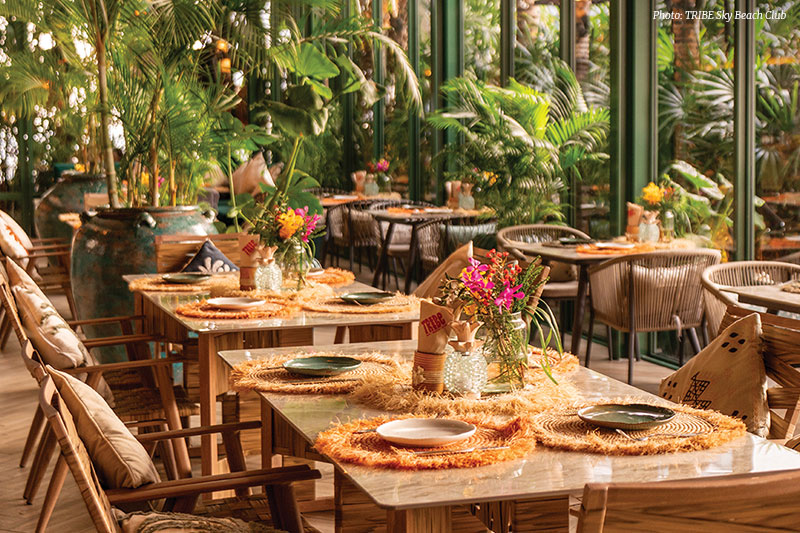
As the afternoon light softens, the lushly appointed Green Room offers an inviting sanctuary for quiet relaxation and unhurried conversation.
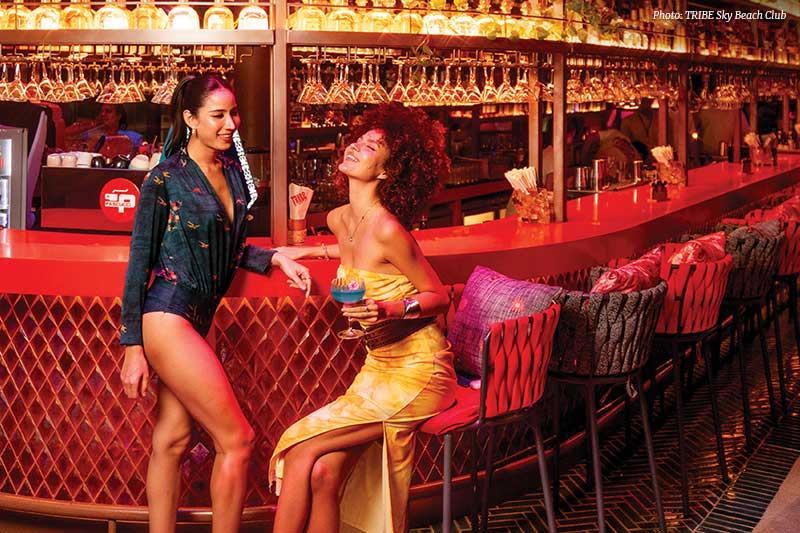
Dusk brings another mood shift as the setting sun casts a warm glow over the skyline and the venue slowly transforms into one of the capital’s liveliest rooftop destinations. Music takes centre stage, lights begin to pulse and The Mask comes alive with world-class DJs, big-name mixologies and an energetic crowd that lifts the evening seamlesly into night.
Rather than a single vibe, a day at TRIBE evolves from a peaceful afternoon lounging poolside to soulful sundowners, followed by the electric beat of Bangkok after dark.