
Two Beating Hearts of Heritage
From loom to market stall, Nan and Songkhla pulse with the quiet artistry that keeps Thailand’s cherished traditions alive
Words: Phoowadon Duangmee
Photos: Shutterstock
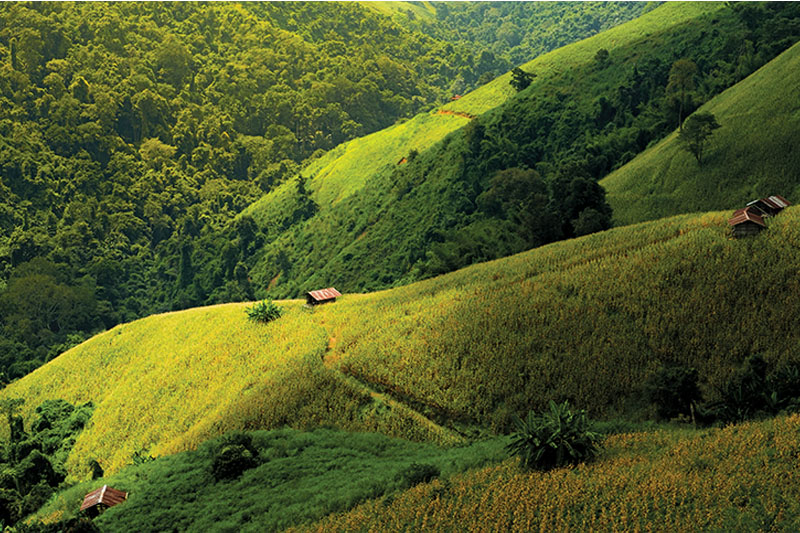
A soft clack-clack-clack rises from stilted wooden houses at dawn in Nan’s highlands, as weavers cradle threads dipped in dyes of bark, leaves, flowers and earth. The pattern, known as Lai Nam Lai, is not recorded but remembered – learned by careful watching, counting under the breath and repeating the motion until it settles into memory.
More than a thousand kilometres to the south, the day begins very differently in Songkhla province. Oil sizzles in a market wok. Fish is lifted from ice. And each bowl is served with the quiet confidence of age-old custom. The stalls open before sunrise and close only when the last customer has eaten.
These are not scenes staged for visitors. In both provinces, these simple acts weave the daily tapestry of food, cloth and community. So bright do they shien that Nan and Songkhla were enshrined as UNESCO Creative Cities late last year, joining a constellation of global destinations where artistry sparkles.
Nan received the designation for Crafts and Folk Art, Songkhla for Gastronomy. Together they invite travellers to look beyond Thailand’s beaches and landmarks to the hands, habits and knowledge that quietly sustain everyday life.
Creative Cities, Living Places
UNESCO’s Creative Cities Network ignores grand buildings to spotlight life in the streets – places where skills are passed on, adapted and renewed across generations. In Nan and Songkhla, creativity is not confined to galleries or rooms with white tablecloths. It is embedded in households, landscapes and routes. It shines forth in the way a loom is positioned to catch the light or how a fisherman reads the tide before dawn.
With these two additions, Thailand now has nine Creative Cities, reflecting a cultural diversity far broader than the well-trod tourist trail. Though Nan and Songkhla sit at opposite ends of the nation, both reveal the same simple truth: culture endures only when it is lived.
Nan: A Living Ancient City
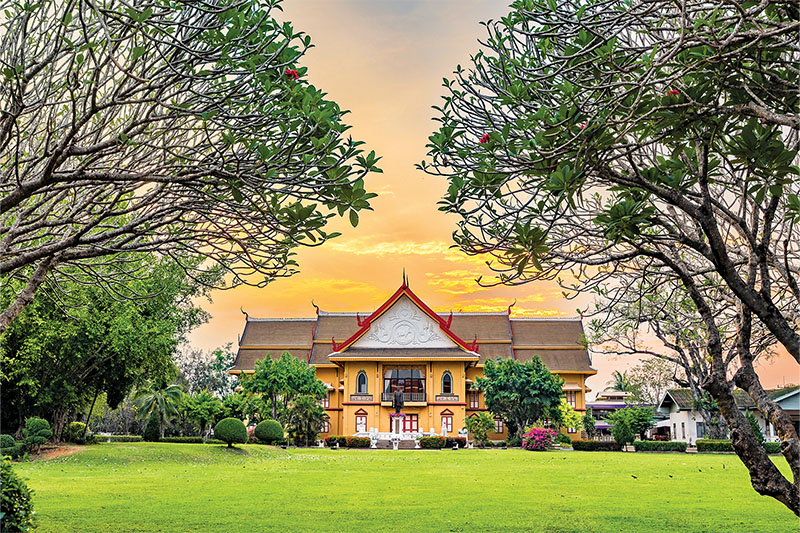
Nestled in a fertile valley close to the Laos border, Nan was once the seat of a small kingdom. Isolated from the outside world by forests and mountains, the town preserved its intimacy and age-old rhythms. Streets remain walkable and neighbourhoods are close-knit. Dubbed “living old city”, Nan thrives today not behind glass but in the bustle of daily traditions.
Its UNESCO-honoured crafts are not visitor showcases but the lifeblood of locals. In villages, looms perch on shaded verandas as naturally as patio furniture. Weaving follows the agricultural cycle, fitted between planting and harvesting. Patterns are remembered, not read from manuals. They carry the code of ancestry and belief, deeply understood by those raised within them.
That ancient thread surfaces everywhere: in clothes worn to market, banners at temple entrances, and murals on prayer hall walls. Wat Phumin’s famous “Whisper of Love” mural is the finesse example – an intimate scene that favours quiet storytelling over spectacle.
In the valley town of Pua, locals still cut filigree from mulberry paper, fold floral cones for temple offerings, and hang colourful Tung banners to aid departed spirits on their journey to heaven. Sacred artistry peaks during the annual Mahachat festival, when a suspended meadow of flowers – Dok Mai Phan Duang – recreates the fabled Himappan forest connecting heaven and Earth.
The Nan River swells as the rains arrive, forming a stage for the province’s legendary long-boat races. Finely carved prows – nagas, crocodiles and lion-serpent hybrids – turn the river into a raucous pageant of myth and competition between rival communities.
UNESCO’s Creative Cities rest on a simple idea: connection between artisans, community and nature. In Nan, locally grown cotton is coloured with dyes made from indigo, jackfruit heartwood and ebony fruit. Local creativity extends to Hmong silverwork, bamboo baskets and ceramics rooted in the ancient kilns of Bo Suak, where archaeologists have unearthed centuries-old patterns and techniques still in use today.
The latest generation of Nan artisans is working within the same traditions, extending and innovating while remaining rooted in the culture of their ancestors.
From Mountains to Maritime Crossroads
Farther south, Thailand gets flatter and wetter as canals and river basins shape the landscape. Approaching Songkhla, the landscape is swallowed by Songkhla Lake and the Gulf of Thailand beyond. If Nan is shaped by valleys, Songkhla is etched in water.
Nestled between the lake and sea, Songkhla is an ancient meeting place of tides and cultures. Chinese traders, Thai officials and Malay fishermen arrived by boat, carrying not just products but new techniques of cooking, seasoning and preserving that still define the city’s cuisine. Here, gastronomy is not a trend, but an inheritance.
In Kopitiam traditional coffee shops, a century-old breakfast ritual unfolds. Menus offer a mouthwatering melting pot of Thai curries, Chinese noodles and Malay dishes. A colourful bowl of Khao Yum captures Songkhla’s natural bounty in rice, coconut, sharp lime and its signature fermented fish sauce. A plate of Gaeng Tai Pla carries heat and herbal depth – a curry embodying local heritage.
In Songkhla’s food markets, look out for Tao Khau – a prized noodle-fried tofu salad. This delicious street dish delivers the region’s trademark rainbow of flavours. Sweet, sour and savoury mingle with crisp vegetables, tofu and seafood – the fruit of centuries of exchange between Malay- Muslim, Thai-Chinese and southern Thai traditions.
Markets still form the city’s beating heart. Seafood from the Gulf glints beside freshwater fish pulled from the lake, while rice, coconuts, herbs and spicy pastes teeter in piles. Mirroring the markets, Songkhla cooking is defined not by written recipes but through an intimate understanding of where ingredients come from and how they change with the seasons.
City Shaped by Water
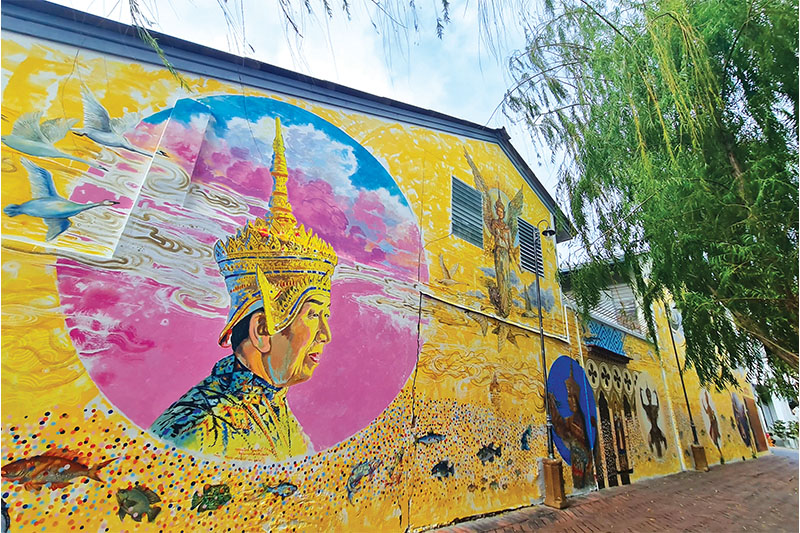
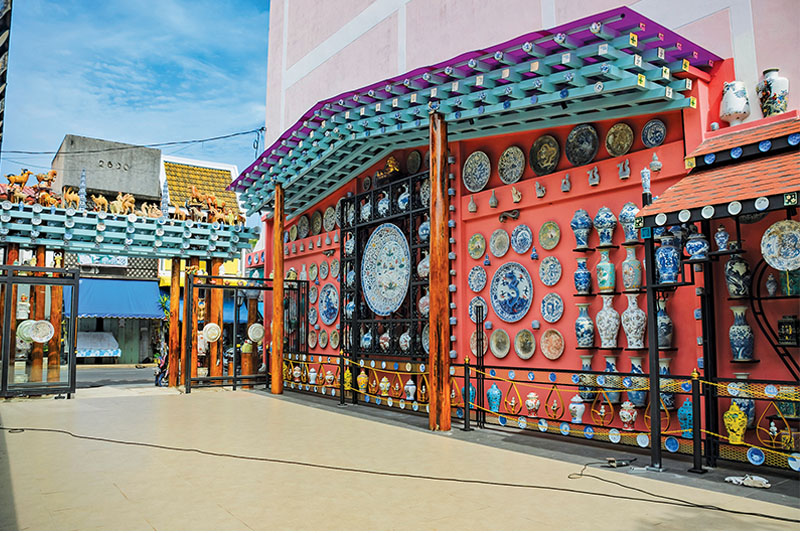
Songkhla Old Town reveals itself in layers that tell a fascinating story. Sino-Portuguese architecture sits side by side with mosques and Buddhist shrines. Its three historic streets – Nakhon Nok, Nakhon Nai and Nang Ngam – are best explored on foot. Their faded shophouses whisper of trade routes that once connected Songkhla to Penang and Singapore further south.
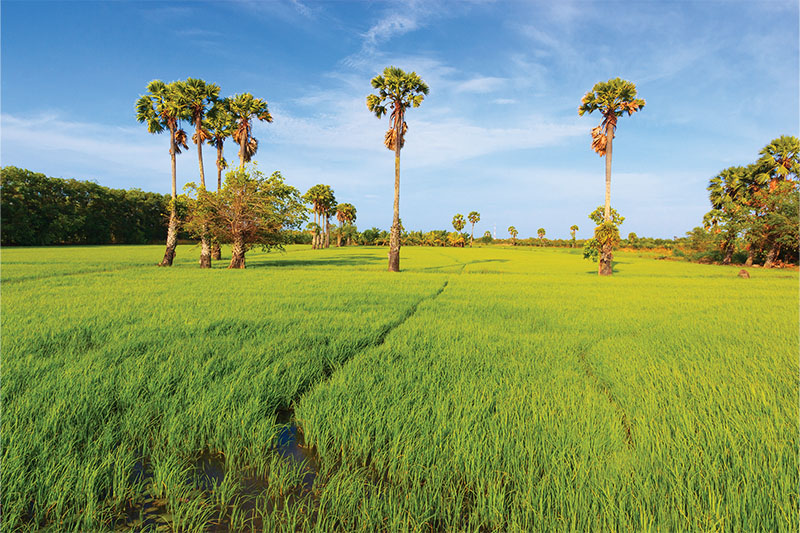
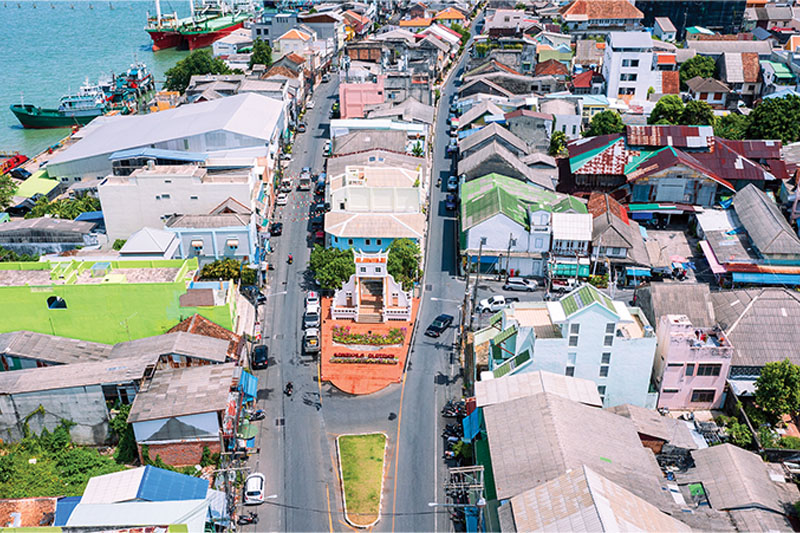
Water is the element that carved this new addition to UNESCO’s Creative Cities. The sea meets Thailand’s largest lake in a mosaic of canals, wetlands and rice fields, creating one of Thailand’s most fertile landscapes.
However, local abundance is inseparable from vulnerability. The waterways that sustain the city can also engulf it. Hat Yai is now recovering from its latest severe flood, with hotels, resorts and restaurants reopening, and locals once again showing the resilience and hospitality the region is known for.
Cooking in Songkhla has always been rooted in time and terroir. Dishes like Gai Tom Khamin (turmeric chicken) and Khanom Jeen Nam Ya Pu (rice noodles with crab curry) are prepared from shared knowledge rather than a recipe book, adjusting instinctively to seasons and supply. The art of preservation – drying, fermenting and pickling – reflects an awareness of natural cycles and scarcity. Gastronomy here is guided less by novelty and more by stewardship.
Threads and Tides
On the surface, Nan and Songkhla seem to inhabit different wolds – one shaped by textiles and temples, the other by markets and maritime trade. Yet both are grounded in the same idea: community is preserved by creativity. Skills are not commodities but the thread that binds people together.
UNESCO’s recognition has not changed these creative hubs so much as sharpened their focus. In Nan, dyes and patterns evolve without diluting heritage. In Songkhla, flavours absorb new influences without erasing old ones.
For travellers seeking depth over novelty, Nan and Songkhla offer a more grounded journey through Thailand – one that rewards patience and curiosity with creativity woven into daily life.